How to Save for a House Deposit in Australia
Saving a house deposit is one of the largest financial goals most Australians will undertake. Here's a practical approach: know your target, calculate the timeline, maximise savings, and protect the money.

The house deposit challenge
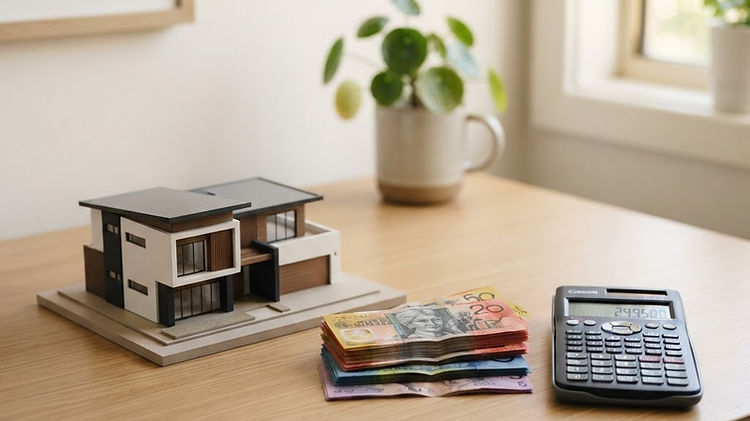
Saving for a house deposit is one of the largest financial goals most Australians will undertake. With median house prices in major cities well above $700,000 and units above $500,000, a 10–20% deposit is $50,000–$150,000 or more — a figure that can feel impossible when you're starting from zero.
But people save deposits every day. They do it not by luck or extraordinary income, but by treating the deposit as a multi-year project with a clear plan. This guide walks through how to approach it practically.
Step 1: Know your target
Before you start saving, you need to know what you're saving for. The deposit amount depends on three things:
The property price
You don't need to know the exact property yet, but you need a target range. Research prices in the area you're considering — not the dream area, the realistic one. Look at recent sales, not asking prices.
The deposit percentage
- 20% deposit — avoids Lenders Mortgage Insurance (LMI), which can add $10,000–$30,000+ to the cost. This is the traditional target.
- 10% deposit — many lenders accept this, but you'll pay LMI. Sometimes worth it to enter the market sooner.
- 5% deposit — possible with some government schemes (First Home Guarantee), but limited and competitive.
The additional costs
The deposit isn't the only upfront cost. Budget for:
- Stamp duty — varies by state and property value; check your state's calculator. First home buyers may be eligible for concessions or exemptions.
- Conveyancing and legal fees — $1,000–$3,000
- Building and pest inspection — $500–$1,000
- LMI (if deposit < 20%) — varies, can be $10,000–$30,000+
- Moving costs — $2,000–$5,000
- Initial setup — connection fees, curtains, basic furniture
A realistic total upfront cost is deposit + $10,000–$20,000 in additional costs.
Example target
For a $600,000 property with a 20% deposit:
- Deposit: $120,000
- Stamp duty (first home buyer concession may apply): $0–$20,000
- Other costs: $10,000
- Total to save: $130,000–$150,000
For a $500,000 property with a 10% deposit:
- Deposit: $50,000
- LMI: $10,000–$20,000 (often added to the loan)
- Stamp duty: $0–$17,000
- Other costs: $10,000
- Total to save: $60,000–$80,000 (if LMI is capitalised into the loan)
Step 2: Calculate the timeline
Once you have the target, calculate how long it will take based on what you can save per pay:
Months to target = Total ÷ Monthly savings
For example, saving $1,500/month toward $80,000:
- $80,000 ÷ $1,500 = 53 months (about 4.5 years)
For $2,000/month:
- $80,000 ÷ $2,000 = 40 months (about 3.3 years)
The timeline is a reality check. If the timeline is too long, you need to save more, adjust the target (different property, lower deposit), or both.
Step 3: Maximise what you can save
There are only two ways to save more: earn more or spend less. Most people focus on spending less, but earning more is often faster.
Reduce spending
- Audit your bills. Review subscriptions, insurance, phone plans, and utilities. Cancel what you don't use and negotiate what you do.
- Cut the big three. Housing, transport, and food are the largest expenses. Even small reductions here add up fast.
- Set a spending ceiling. Use the free payday calculator to see your available money and daily allowance, and stay within it.
Increase income
- Side income. Freelancing, casual work, or a side business can add $500–$2,000/month.
- Career progression. A raise or a job change can increase your savings capacity permanently.
- Rent out a room or space. If you have a spare room, a housemate can contribute $150–$300/week.
Use government schemes
- First Home Super Saver Scheme (FHSSS) — withdraw voluntary super contributions to buy your first home. Can save tax on the money you're saving.
- First Home Guarantee — buy with a 5% deposit without LMI (subject to eligibility and caps).
- First Home Owner Grant — a one-off grant for new or substantially renovated homes (amount varies by state).
- Stamp duty concessions — most states offer reductions or exemptions for first home buyers below a price threshold.
Check your eligibility for all of these — they can collectively save you tens of thousands.
Step 4: Put the money in the right place
Where you save the deposit matters as much as how much you save:
High-interest savings account
The simplest option. Look for accounts with the highest ongoing rate (not just introductory bonuses). Your money is safe and accessible.
Term deposits
If you don't need the money for 6–12 months, a term deposit can lock in a rate. Less flexible but removes the temptation to withdraw.
First Home Super Saver Scheme
If you're eligible, making voluntary contributions to super and then withdrawing them under the FHSSS can provide tax advantages. The contribution is taxed at 15% (instead of your marginal rate), and the withdrawal is taxed at your marginal rate minus a 30% offset. For higher-income earners, this can save thousands in tax.
Offset account
If you already have a mortgage (e.g., upgrading), parking the deposit in an offset account saves interest at your mortgage rate — likely better than any savings account.
Step 5: Protect the savings
The biggest risk to a house deposit fund is not market returns — it's you spending the money on something else. Protect the savings by:
- Using a separate account that's not linked to your everyday card
- Making the transfer automatic on payday
- Not having easy access — a different bank adds friction
- Tracking progress so the growing balance motivates you to keep going
The Payday Compass Goal Navigator lets you set a house deposit goal with a target amount and deadline, shows your progress, and calculates the per-pay contribution needed to stay on track.
Step 6: Review and adjust
Review your deposit savings plan every 6 months:
- Are you on track? If you're behind, adjust the per-pay amount or the timeline.
- Have property prices changed? If your target area has moved, adjust the target.
- Have your circumstances changed? A new job, a pay rise, or a change in expenses all affect the plan.
- Are you still eligible for schemes? Government programs change — check what's available.
The emotional side
Saving for a house deposit is a marathon, not a sprint. It can take 2–5 years, and there will be months where it feels like you're not making progress. Three things help:
- Make it automatic. If the transfer happens on payday without you thinking, the discipline is built in.
- Track progress. Watching the balance grow — even slowly — is motivating.
- Celebrate milestones. Every $10,000 is a milestone. Acknowledge it, then keep going.
Summary
Saving for a house deposit is a multi-year project that requires a clear target, a realistic timeline, maximised savings (through spending cuts, income increases, and government schemes), and protected, automatic savings. The maths is straightforward — the challenge is consistency over time. Start with the target, calculate the per-pay amount, automate the transfer, and let it run.
To track your deposit savings with progress and per-pay contributions, try the Payday Compass Goal Navigator.
Put it into practice
The Payday Compass workbook brings these ideas together in one organised spreadsheet.
Explore the Budget Planner